Estate Planning for Older Adults: Why It Matters More Than Ever
Estate planning is important at every stage of life, but it becomes especially critical as we grow older. For seniors, estate planning is not just about passing on assets—it’s about maintaining dignity, protecting independence, and ensuring wishes are respected during life as well as after death. Without a thoughtful plan in place, older adults and their families may face unnecessary court involvement, confusion, and stress during already difficult moments.

Estate Planning Is About Living Well, Not Just Dying Well
One of the biggest misconceptions is that estate planning is only about what happens after death. For older adults, planning for incapacity is often just as important.
A comprehensive estate plan helps address:
Who will manage finances if you cannot
Who will make medical decisions on your behalf
How long-term care needs will be handled
How assets will be protected and distributed
This planning preserves control and avoids crisis-driven decisions.
Key Estate Planning Documents for Seniors
1. Durable Power of Attorney
This document allows you to choose someone you trust to manage financial matters if you become unable to do so yourself. Without it, a court may appoint a conservator.
2. Health Care Proxy and Advance Directive
These documents ensure your medical wishes are known and that someone you trust can speak for you if you cannot communicate.
3. Will or Revocable Living Trust
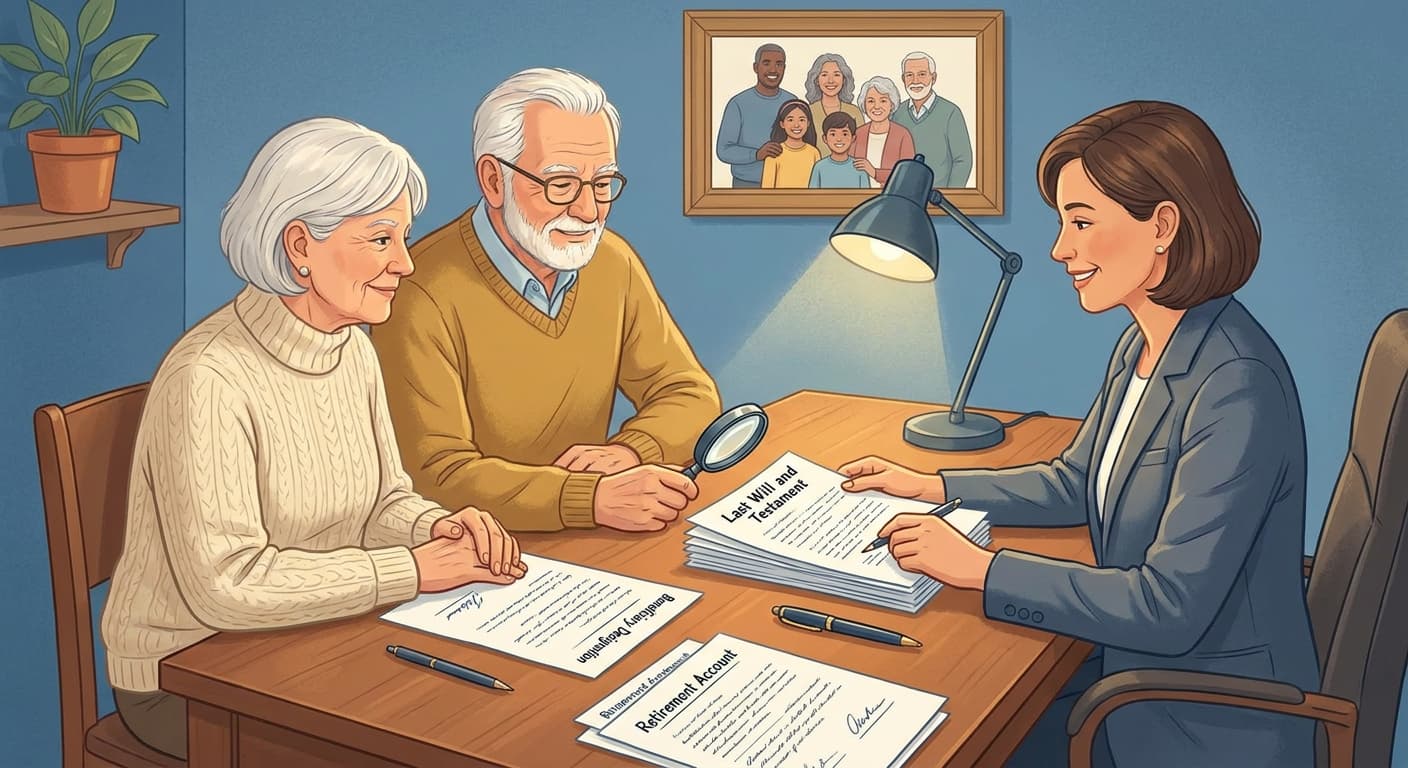
A will or trust outlines how your assets should be distributed and who is responsible for carrying out your wishes. Trusts can also help avoid probate and maintain privacy.
4. Beneficiary Designations
Retirement accounts, life insurance, and certain bank accounts pass by beneficiary designation—not by will. These should be reviewed regularly.
Planning for Long-Term Care
As we age, planning for potential long-term care needs becomes essential. Estate planning can help address:
Home care vs. assisted living or nursing care
Medicaid eligibility planning
Asset protection strategies
Preserving resources for a spouse or family
Planning early provides more options and flexibility than waiting for a health crisis.
Protecting Against Financial Exploitation
Older adults are often vulnerable to financial abuse, scams, and undue influence. A well-structured estate plan can:
Add layers of oversight and accountability
Reduce opportunities for exploitation
Ensure trusted individuals are involved
This protection is an important part of elder-focused planning.
Updating an Estate Plan as You Age
Estate plans should evolve as life changes. Seniors should review their plans when:
Health changes
A spouse or loved one passes away
Family relationships change
Laws or financial circumstances change
An outdated plan can be almost as risky as having no plan at all.
Estate Planning Is an Act of Care
For older adults, estate planning is not about giving up control—it’s about keeping it. It ensures your voice is heard, your values are honored, and your loved ones are spared unnecessary stress.
A good estate plan allows families to focus on care, connection, and peace of mind instead of court processes and conflict.
Final Thoughts
Estate planning for older adults is about protection, clarity, and dignity. With the right plan in place, seniors can age with confidence knowing their wishes are documented and their loved ones are supported.
Planning ahead isn’t just practical—it’s a gift to yourself and the people who care about you.